Abs in 20 Minutes/Week: Your 4-Week Plan
With just 20 minutes of targeted abdominal training per week, you can achieve visible results in four weeks. Crucial factors include correct exercise execution, an adjusted diet to reduce body fat percentage, and consideration of important micronutrients. Consistency and avoiding common mistakes are key to a stronger core and defined abs.
Defined abs and a strong core are not only aesthetically pleasing but also crucial for your overall physical performance and health. They support an upright posture, prevent back pain, and improve stability in almost every movement you perform in daily life or during sports.
Many athletes dream of a visible six-pack but are often frustrated when desired results don't materialize despite intense training. The key is not necessarily hours of workouts, but efficiency, correct technique, and a holistic view of training and nutrition. This guide shows you how to define your abs and strengthen your core in just four weeks with an intelligent, time-saving approach of only 20 minutes per week.
The 20-Minute Weekly Protocol: Effectiveness Over Duration
To develop visible abs, it's crucial not only to train the rectus abdominis but the entire core, which also includes the obliques, deep abdominal muscles, and the muscles of the lower back, hips, and pelvis. Effective abdominal training is therefore characterized by a balanced selection of exercises that target all these areas.
The claim that abs should be trained daily is a myth. Muscles need time to regenerate and grow. Intense training 2-3 times a week with sufficient rest in between is often more effective than daily, less intense sessions.
What is core training and why is it relevant for physically active people?
Your core is far more than just the superficial abdominal muscles responsible for the classic “six-pack.” It encompasses a complex group of muscles extending from your neck to your pelvis, including the rectus abdominis, obliques, transversus abdominis, as well as the muscles of the lower back, glutes, and hip flexors.
A strong and stable core is the foundation for almost every movement you perform. It not only improves your posture and balance but also protects your spine and reduces the risk of injury during athletic activities and in everyday life. Whether lifting weights, running, or performing daily movements like bending and carrying – your core is constantly active, providing stability and efficient power transfer. Without a well-developed core, for example, deadlifts might stagnate, or your shoulders could round forward when running.
How it works / how the body can benefit
Targeted core training can support your body in various ways:
- Improved Stability and Balance: Your core muscles act like a natural corset, stabilizing your spine and helping you maintain balance. This is especially important for complex movements or when training on unstable surfaces.
- Reduction of Back Pain: Weak core muscles are often a cause of back pain, particularly in the lower back. By strengthening these muscles, you can better support your spine and prevent or alleviate pain.
- More Efficient Power Transfer: A strong core enables better transfer of power between your upper and lower body. This leads to greater performance in athletic activities such as strength training, running, or ball sports.
- Better Posture: Well-trained core muscles promote an upright posture, which is not only aesthetically pleasing but can also prevent muscular imbalances.
- Injury Prevention: By stabilizing the spine and supporting the joints, a strong core can significantly reduce the risk of sports injuries, especially in the back and hip area.
- Visible Abs: While the visibility of abdominal muscles primarily depends on body fat percentage, targeted training builds muscle mass that becomes more apparent under a reduced fat layer.
Your 4-Week Training Plan for Visible Abs
This plan is designed for three training sessions per week, each lasting approximately 20 minutes. You should allow at least one rest day between sessions to give your muscles sufficient time to recover.
Training Fundamentals
- Frequency: 3 times per week.
- Duration per session: approx. 20 minutes.
- Sets per exercise: 2-3 sets.
- Repetitions: 10-15 repetitions per set or 30-60 seconds hold for isometric exercises.
- Rest: 30-60 seconds between sets.
- Execution: Slow, controlled, and with full concentration on muscle tension. Avoid momentum.
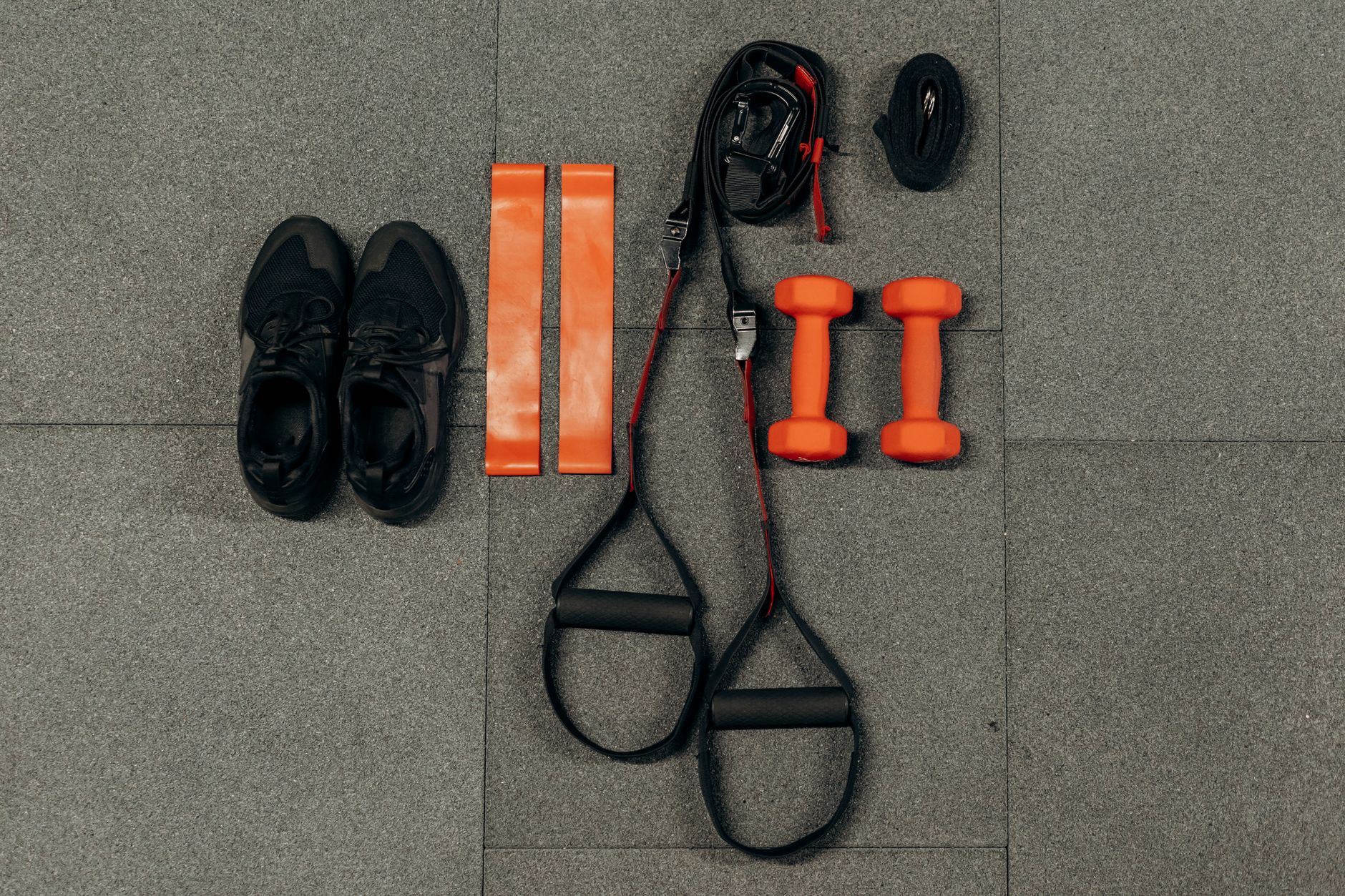
Week 1: Focus on Fundamentals and Body Awareness
The first week is about learning the correct execution of basic core exercises and developing a feel for muscle tension. Pay special attention to keeping your lower back on the floor and avoiding an arch.
- Plank (Forearm Plank): Keep your body in a straight line from head to toe, engage your abs and glutes. Start by holding for 30 seconds and gradually increase.
- Crunches: Lie on your back, knees bent, feet flat on the floor. Hands behind your head or crossed over your chest. Lift your upper body just enough so that your shoulder blades come off the floor, pressing your lower back firmly into the ground. Perform the movement slowly and controlled.
- Reverse Crunches: Starting position as for crunches. Lift your legs, bent at the knees, so that your knees are above your hips. Pull your knees towards your chest by slightly lifting your pelvis off the floor.
- Bird Dog: Start in a tabletop position. Simultaneously extend one arm forward and the opposite leg backward, without losing balance or twisting your torso.
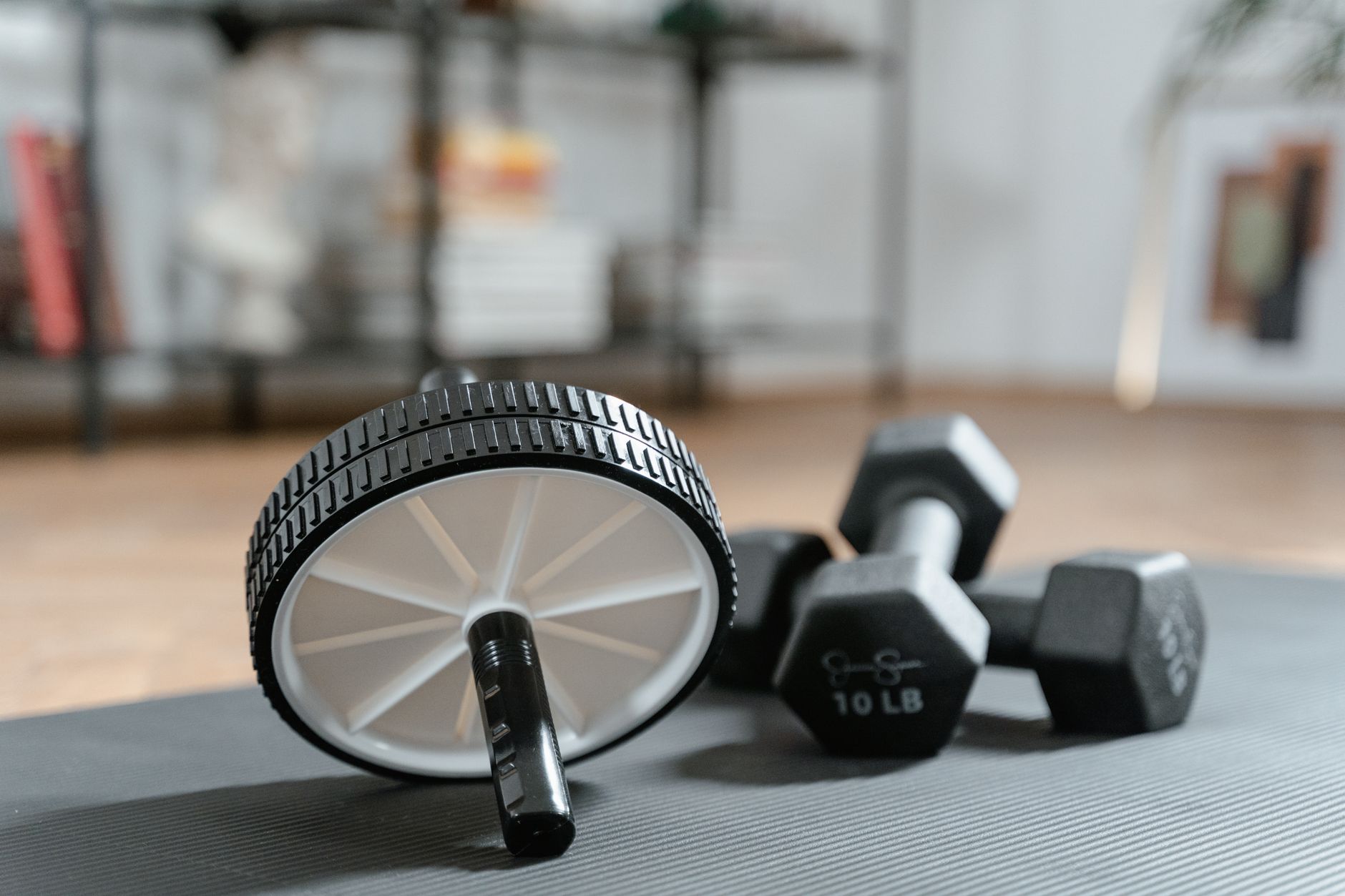
Week 2: Intensification with light weights or resistance bands
Once you've mastered the basic exercises, you can increase the difficulty by using light weights or resistance bands.
- Plank with Arm/Leg Raises: Hold the plank position and alternately lift one arm or one leg for a few seconds. For advanced users: Simultaneously lift the opposite arm and leg.
- Crunches with Dumbbell: Hold a light dumbbell with both hands on your chest or overhead. Focus on clean execution.
- Russian Twists (with or without weight): Sit with your legs slightly bent and your torso leaning back slightly. Twist your torso from side to side. Hold a light dumbbell or medicine ball. Lifting your feet off the floor makes the exercise more challenging.
- Side Bends with Dumbbell: Stand upright, holding a dumbbell in one hand. Bend your torso to the side of the dumbbell, activating your oblique abdominal muscles.
Week 3: More complex movements and longer holds
This week, you'll integrate more demanding exercises that challenge multiple muscle groups simultaneously.
- Hollow Body Hold: Lie on your back, extend your arms and legs. Lift your head, shoulders, and legs slightly off the floor, keeping your lower back pressed firmly against the ground. Maintain this tension.
- V-Ups (or Modification): Lie on your back, arms overhead, legs straight. Simultaneously bring your arms and legs up to form a V-shape. An easier variation is to pull your knees to your chest (Jackknife).
- Mountain Climbers: Start in a plank position. Alternately pull one knee towards your chest. Perform the movement dynamically, but ensure a stable core.
- Dead Bug: Lie on your back, arms pointing to the ceiling, legs bent with knees over hips. Slowly lower one arm and the opposite leg to the floor simultaneously, without lifting your lower back.

Week 4: Maximum Efficiency and Variation
Combine the learned exercises and increase intensity through longer hold times or more repetitions. Also, experiment with resistance bands to utilize progressive resistance.
- Plank with Rotation (Side Plank with Reach Under): Start in a side plank position. Bring your top arm under your body and rotate your torso with it.
- Weighted Leg Raises: Lie on your back, hands under your glutes. Slowly lift and lower your straight legs without lifting your lower back. If needed, clamp a light dumbbell between your feet.
- Ab Rollout (with barbell or ab roller): Kneel down, holding a barbell or an ab roller with both hands. Slowly roll forward until your body is almost parallel to the floor, then pull yourself back in a controlled manner. This is a very challenging exercise.
- Bicycle Crunches with Resistance Band: Lie on your back, loop band around your feet. Alternately pull one elbow towards the opposite knee while extending the other leg. Keep tension on the band.
The Role of Nutrition for a Defined Midsection
Regardless of how intensely you train your abdominal muscles, they won't be visible if they're covered by a layer of fat. Nutrition therefore plays an absolutely central role when it comes to defined abs. A "six-pack" is anatomically present in everyone; its visibility depends on body fat percentage.
Recommended Amounts and Macronutrient Distribution
To reduce body fat while maintaining or building muscle mass, a slight caloric deficit combined with a high-protein diet is crucial.
- Protein: As an athlete, you should aim for a protein intake of approximately 1.5 to 2.0 grams per kilogram of body weight daily. Protein is essential for muscle building and maintenance and also promotes a long-lasting feeling of fullness.
- Carbohydrates: Focus on complex carbohydrates from whole grains, vegetables, and fruits. These provide long-lasting energy and important fiber. Avoid simple sugars and processed carbohydrates, which can quickly lead to blood sugar spikes and fat storage.
- Fats: Unsaturated fatty acids from vegetable oils (e.g., olive oil, flaxseed oil), nuts, seeds, and fatty fish are important for hormone production and general health. Even if you want to reduce fat, healthy fats are essential.
Best Natural Sources
Integrate the following foods into your diet:
- Proteins: Lean meat (chicken, turkey, beef), fish (salmon, tuna), eggs, low-fat quark, cottage cheese, legumes (lentils, beans), tofu, tempeh.
- Carbohydrates: Oats, whole-grain bread, brown rice, quinoa, sweet potatoes, plenty of vegetables (broccoli, spinach, bell peppers), berries.
- Fats: Avocados, nuts (almonds, walnuts), seeds (chia, flaxseed), olive oil, flaxseed oil, fatty fish (salmon).
When are Supplements Useful?
Supplements can be a useful addition when it's difficult to meet your needs through a normal diet or to support specific training goals. However, they never replace a balanced diet.
- Protein Powder (Whey, Casein, Plant-Based): Ideal for quick and convenient protein intake, especially after training to support muscle protein synthesis.
- BCAAs (Branched-Chain Amino Acids): Leucine, isoleucine, and valine can stimulate muscle protein synthesis and help reduce muscle soreness. They can be taken before, during, or after training.
- Omega-3 Fatty Acids (EPA & DHA): Have anti-inflammatory properties, support recovery, and can promote muscle protein synthesis. 1-3 g of EPA + DHA per day are recommended for athletes.
- Vitamin D: Important for muscle strength, function, and regeneration. Many people, especially in winter months, are deficient. A daily intake of 20-40 µg (800-1600 IU) can be beneficial.
- Magnesium: Contributes to normal muscle function, energy production, and muscle relaxation. Intense physical activity can increase demand.
- Zinc: Plays a role in hormone balance and immune function, important for athletes.
Potential Risks / Overdose / Interactions
While supplements can be useful, caution is advised:
- Protein Powder: For healthy kidneys, high protein intake is generally harmless. For pre-existing kidney conditions, intake should be discussed with a doctor.
- BCAAs: Excessive intake is rarely harmful, but too strong a focus on BCAAs can lead to an imbalance with other essential amino acids, which could impair protein synthesis. A balanced intake of all essential amino acids (EAAs) is generally more effective for muscle building.
- Omega-3: High doses can affect blood clotting. Consultation with a doctor is necessary when taking blood-thinning medications or before surgery.
- Vitamin D: An overdose is not possible through sun exposure, but it is through supplements. Symptoms can include nausea, vomiting, loss of appetite, and kidney problems. It should be taken in combination with Vitamin K to ensure optimal calcium distribution.
- Magnesium: An overdose can lead to diarrhea, nausea, and in rare cases, heart rhythm disturbances.
- Zinc: Excessive zinc intake can impair copper absorption and lead to gastrointestinal discomfort.
Always observe the consumption recommendations on product packaging and consult your doctor or a qualified nutritionist if you have any uncertainties or pre-existing conditions.
Avoid common mistakes and ensure success
Many athletes make mistakes during abdominal training that hinder success or can even lead to injuries.
| Mistake | Description | How to do it better |
|---|---|---|
| Incorrect execution/momentum | Exercises are performed too quickly or with momentum from the arms, legs, or upper body, instead of specifically contracting the abdominal muscles. During sit-ups, the head is often pulled up too forcefully, straining the neck. In planks, the hips sag or are too high. | Perform each repetition slowly and with control. Focus on muscle contraction and feel your abdominal muscles working. Keep your neck relaxed and your chin slightly tucked towards your chest. |
| Neglecting the entire core | Focusing only on the rectus abdominis (six-pack muscles) and neglecting the obliques, deep abdominal muscles, and lower back. | Incorporate exercises that target all areas of the core: crunches for the rectus abdominis, Russian twists and side planks for the obliques, planks and bird dog for the deep abdominal muscles and lower back. |
| Lack of progressive overload | Always doing the same exercises with the same intensity, without providing new stimuli to the muscles. | Gradually increase intensity: more repetitions, longer hold times, shorter breaks, use of resistance bands or light weights. Vary exercises regularly. |
| Insufficient or lacking core tension | Especially during isometric exercises like the plank, tension is not consistently maintained, which reduces effectiveness. | Make sure to pull your belly button inwards throughout the entire exercise and consciously maintain tension. Continue to breathe calmly. |
| Insufficient regeneration | Daily abdominal training without sufficient recovery periods. Muscles grow during rest, not during training. | Allow your abdominal muscles 24-48 hours of rest between intense training sessions. Two to three sessions per week are optimal. |
| Neglecting nutrition | Despite hard training, the abdominal muscles remain hidden under a layer of fat. | Focus on a slight calorie deficit, a protein-rich diet, and sufficient healthy fats and complex carbohydrates to reduce body fat percentage. |
Motivation and Continuity: How to Stay on Track
A 4-week plan is a good start, but long-term success requires motivation and continuity. Here are some tips to help you stay on track:
- Set realistic goals: A six-pack in four weeks is only realistic with a very low body fat percentage. Focus on strength gains, improved posture, and general well-being.
- Track your progress: Keep a training journal where you note down exercises, sets, repetitions, and weights. Photos can also be motivating.
- Find a workout partner: Training together is more fun and increases accountability.
- Reward yourself: Set small rewards for achieving milestones (e.g., a new sports outfit, a massage).
- Vary your training: To prevent boredom, change exercises or integrate new elements like yoga, Pilates, or other forms of functional training.
- Listen to your body: Take rest days when needed and don't overdo it. Overtraining can lead to frustration and injuries.
- Integrate training into your daily routine: Make core exercises a regular habit, like brushing your teeth.
- An effective ab workout only requires 20 minutes per week, spread across 2-3 sessions, with a focus on correct execution and progressive resistance.
- Train your entire core (rectus abdominis, obliques, deep abdominal muscles, and lower back) with a variety of exercises.
- Nutrition is crucial: Reduce body fat percentage through a slight calorie deficit and a protein-rich, balanced diet.
- Avoid common mistakes like using momentum, incorrect posture, or neglecting the entire core to achieve maximum effectiveness.
- Stay motivated with realistic goals, progress tracking, and exercise variation to stay consistent long-term.
This guide is for general information purposes only and does not replace individual advice from a doctor or qualified nutritionist. Professional consultation is essential, especially if you have pre-existing conditions, are taking medication, or are uncertain about exercise execution and dietary supplements. Food supplements are not a substitute for a balanced and varied diet and a healthy lifestyle.
Ad · As an Amazon Associate we earn from qualifying purchases.
See current products, prices & reviews directly on Amazon.
🛒 View on Amazon →Ad · As an Amazon Associate we earn from qualifying purchases. Prices/availability may change.
Frequently Asked Questions
Do I have to train abs every day to get a six-pack?
No, daily ab training is not necessary and can even be counterproductive, as muscles need time to recover and grow. 2-3 intense training sessions per week with sufficient rest days in between are usually more effective.
At what body fat percentage do abs become visible?
The visibility of abdominal muscles largely depends on individual body fat percentage. For men, abs often become visible at a body fat percentage of around 10-12%, while for women, a range of 20-22% is realistic. A well-defined six-pack often requires under 9% body fat for men and under 16% for women.
Can I specifically target belly fat with exercise (Spot Reduction)?
No, targeted fat reduction in specific body areas (spot reduction) is not scientifically proven. To lose belly fat, a general calorie deficit through a combination of an adjusted diet and regular exercise (strength and endurance training) is required. The body decides where it loses fat first.
What role does genetics play in abdominal muscle definition?
Genetics plays a role in body fat distribution and the shape of the abdominal muscles. While everyone anatomically possesses a "six-pack," the exact shape and distribution of fat deposits can vary due to genetics. Some people naturally have a more pronounced abdominal muscle separation or are less prone to fat storage in the abdominal area.
Are dietary supplements absolutely necessary for defined abs?
No, dietary supplements are not strictly necessary. A balanced and protein-rich diet is the foundation for muscle building and fat reduction. However, supplements can be a useful addition to meet the demand for certain nutrients or support recovery if intake through normal food is insufficient.
Which exercises are most effective for the deep abdominal muscles?
For the deep abdominal muscles, isometric holding exercises like the plank and its variations (e.g., side plank), the hollow body hold, and exercises like the bird dog or dead bug are particularly effective. These exercises promote core stability and train the deeper muscle layers.
Conclusion
A defined midsection and a strong core are the result of a well-thought-out interplay of efficient training and mindful nutrition. With the 4-week plan presented here, you can achieve significant progress in just 20 minutes per week by focusing on correct technique, progressive overload, and holistic strengthening of your core musculature. Remember that the visibility of your abdominal muscles largely depends on your body fat percentage, which is why an adapted diet is of utmost importance.
Be patient, stay consistent, and listen to your body's signals. For individual questions, pre-existing conditions, or uncertainties regarding your diet or training plan, we always recommend consulting a doctor or a qualified nutritionist. Dietary supplements are a complement and never a substitute for a balanced diet and a healthy lifestyle.